

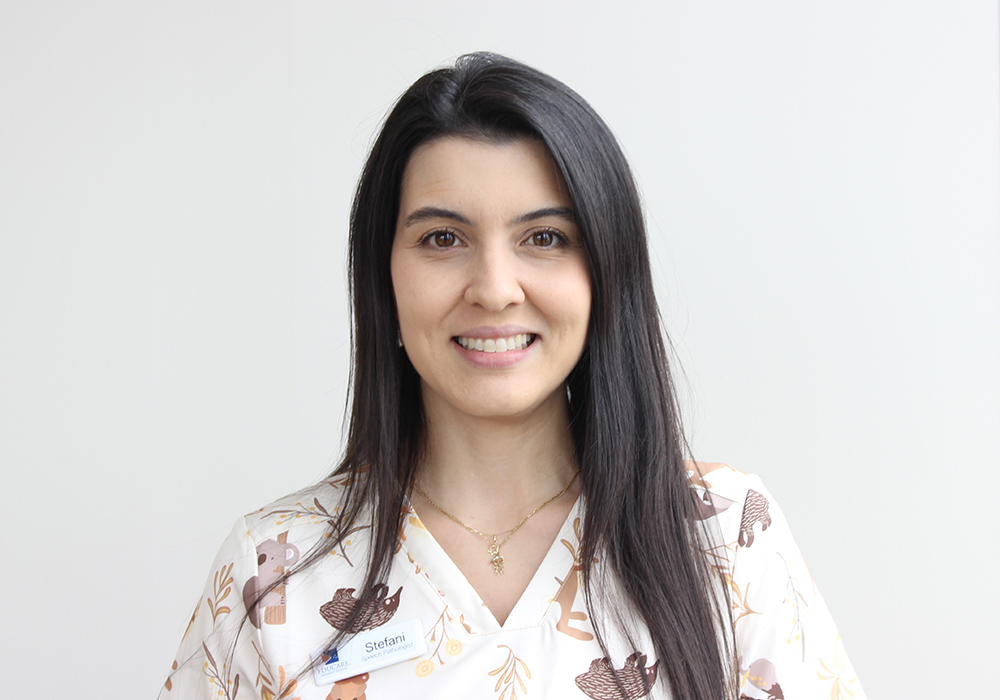
Feeding, Breastfeeding & Swallowing Support in Newcastle: Meet Specialist Speech Pathologist Stefani Knijnik
Families across Newcastle and the Hunter often tell us that feeding and swallowing worries feel overwhelming. If your baby is struggling to latch, your toddler is stuck on a limited range of foods, or a loved one needs safer swallowing strategies, specialist help can make a meaningful difference. EduCare Specialist Services is pleased to introduce Stefani Knijnik, a Certified Practising Speech Pathologist, Lactation Consultant, and Feeding & Dysphagia Specialist with over 13 years of clinical experience across hospital, community, and private practice settings. Stefani supports infants, children, and adults with evidence‑based assessment and therapy for breastfeeding, feeding, and swallowing challenges.
What Stefani helps with
Breastfeeding and lactation support
Assistance with latch optimisation, positioning, nipple pain, suspected tongue‑tie, and weaning. Structured breastfeeding support is associated with reduced stopping of exclusive breastfeeding and longer breastfeeding duration compared with usual care.[1 & 15] When tongue‑tie is clearly impacting latch and maternal comfort, frenotomy has been shown to reduce nipple pain and improve latch measures in some dyads, though longer‑term breastfeeding duration effects remain mixed and conservative measures should be tried first [2][17][19].
Infant feeding therapy
Support for babies who are finding it hard to transition from breast or bottle to solids, aligned with Australian guidance to introduce a range of age‑appropriate textures at around six months while continuing breastmilk or formula [3].
Fussy eating and oral aversion
Therapy for toddlers and children with selective eating or sensory‑based food refusal, drawing on responsive feeding principles and repeated exposure to expand acceptance. Reviews recommend integrating responsive feeding into infant and young child dietary guidance, and scoping reviews describe intrinsic (sensory) and extrinsic (environmental) features that inform intervention planning [4][5].
Swallowing (dysphagia) management across all ages
Safer swallowing strategies, texture modification, and rehabilitation exercises tailored to individual needs. Best practice emphasises multidisciplinary care and individually selected compensatory and rehabilitative techniques to minimise aspiration risk and support nutrition [6][7].
Feeding plans for medically complex clients
Including reflux, tube feeding, neurological conditions, and prematurity. A 2022 scoping review highlights growth in the evidence base for infant feeding interventions while noting the need to tailor care for complex populations [8].
Stefani’s expertise
- Certified Lactation Consultant with advanced training in breastfeeding support
- Specialist in infant feeding, fussy eating, oral aversion, and complex feeding needs
- Management of dysphagia and swallowing disorders across all ages
- Accredited in SOS Approach to Feeding and responsive feeding models. The SOS approach is widely used and promising, with feasibility studies establishing fidelity tools and sensitive outcome measures for future effectiveness trials [9][10].
- Collaborates with families, GPs, paediatricians, and allied health teams in interprofessional practice recommended for paediatric feeding and swallowing [7]
- Fluent in English and Portuguese
Why timely support matters
Feeding and swallowing difficulties are common. Estimates suggest that 20–50% of typically developing children experience feeding problems at some stage, and rates are higher in medically complex populations [11]. Early, family‑centred intervention supports safer feeding, growth, and positive mealtime experiences within a collaborative team [12].
For infants, evidence supports responsive feeding, where caregivers recognise and respond to hunger and satiety cues. This approach is associated with healthier self‑regulation and less mealtime stress and is increasingly recommended in nutrition guidance [13][14][20].
For breastfeeding, structured support from trained professionals reduces stopping exclusive breastfeeding and extends duration compared with usual care [1][15].
For swallowing, multidisciplinary management that combines individualised compensatory strategies and rehabilitation aligned with motor learning principles helps improve oral feeding skills and reduce reliance on non‑oral routes when appropriate [6][16].
How Stefani works with your family
- Comprehensive assessment – collaborative history, observation, and, when indicated, instrumental studies arranged via your medical team. The focus is on safety, nutrition, and family goals [7].
- Personalised plan – age‑appropriate therapy that may include positioning and latch optimisation, paced bottle feeding, texture progression, responsive feeding coaching, repeated exposure, and dysphagia strategies [3][13][16].
- Team‑based coordination – collaboration with GPs, paediatricians, dietitians, and OTs to align care as recommended in paediatric feeding and swallowing services [7].
Signs it’s time to seek help
- Painful breastfeeding, frequent nipple trauma, or persistent latch difficulties [17][2]
- Baby struggles to manage milk flow, coughs or gags during feeds, or has prolonged feed times with fatigue [12]
- Infant is not moving toward age‑appropriate textures around six months or has difficulty progressing beyond purees [3]
- Toddler’s diet is very limited and mealtimes are consistently stressful [4][5]
- Child or adult shows signs of dysphagia such as recurrent coughing while eating, frequent chest infections, or unexplained weight loss [18]
Book with EduCare
Call 02 4943 4444 | Email office@educare.net.au | Visit https://www.educare.net.au
Fax referrals: 02 4943 4400
View our clinicians: https://www.educare.net.au/about/#our-team